A specific gift usually fails (adeems) if the exact asset described in the will no longer exists in that form at the time of death, and the proceeds generally fall into the residue rather than going to the named beneficiary. The Succession Act 2006 (NSW) governs wills in this state, and the Court of Appeal decision in RL v NSW Trustee and Guardian [2012] NSWCA 39 sets the strict tone courts still follow. If you think a gift in a will you are administering or expecting has adeemed, get advice quickly, because timing and evidence decide most outcomes.
TL;DR:
- Most ademption cases occur due to voluntary sales or disposals made during the testator’s lifetime or by an authorized attorney, rather than sudden events.
- When assets change form or are sold before death, courts typically treat the proceeds as falling into the estate residue, unless the asset remains substantially unchanged.
- Proper documentation and early record-keeping are crucial for executors and beneficiaries to preserve claims and avoid loss of the intended gift.
- Legal outcomes heavily depend on the timing, authority, and clarity of sale or disposal, with courts scrutinizing whether proper authority was exercised and if proceeds remained identifiable.
Table of Contents
- What ademption means in NSW: a plain definition
- Common situations where a gift adeems in NSW
- The statutes and narrow exceptions that can rescue a gift
- A practical checklist for executors and beneficiaries
- How NSW courts have actually ruled on ademption
- A partner’s view: why drafting and early action matter most
- Funding your legal matter: No Win, No Fee
- Sources
- FAQ
What ademption means in NSW: a plain definition
Ademption happens when the specific item a will names, a house, a car, a piece of jewellery, is no longer part of the estate when the will maker dies. The gift does not transfer to something similar or to its sale proceeds; it simply fails, and the beneficiary usually gets nothing in its place. Timing matters because the law looks at what existed at death, not what existed when the will was signed.
Not every gift carries this risk equally. Wills typically contain three kinds of bequests:
- Specific gifts: a named, identifiable item such as “my property at Bondi” or “my Toyota Camry”, these are the gifts most exposed to ademption.
- General gifts: a gift of a type or value, such as “$50,000 to my niece”, which the estate pays from whatever assets are available.
- Demonstrative gifts: a general gift tied to a particular source, such as “$20,000 from my savings account”, which survives even if that source runs short, unlike a purely specific gift.
Executors and beneficiaries both need to check the will against the estate’s actual assets at the date of death, not at the date the will was drafted, since that gap is where most disputes start.
Common situations where a gift adeems in NSW
Ademption rarely comes from a dramatic event. It usually comes from ordinary life decisions made years before death, decisions nobody thought to reconcile with the will.
- Sale during the testator’s lifetime. If the will maker sells the specifically gifted house, car or shares before dying, the gift adeems even if the sale was entirely voluntary and unrelated to the will.
- Disposal by an attorney or the NSW Trustee and Guardian. When someone else manages the will maker’s affairs under an enduring power of attorney, or the NSW Trustee and Guardian steps in, a lawful sale of the gifted asset can still trigger ademption unless a narrow exception applies.
- Change in substance rather than form. Courts distinguish between an asset changing its outward form (shares converted in a takeover) and changing its substance (a house sold for cash); proceeds from a substance change rarely follow the original gift.
- Express ademption or double portion arguments. Occasionally a testator’s later conduct, such as giving the same asset away during life, raises an argument that the gift was intentionally replaced, which courts weigh against the general strict rule.
The statutes and narrow exceptions that can rescue a gift
Two NSW statutes shape how ademption plays out in practice, though both apply narrowly rather than broadly.
- The Succession Act 2006 (NSW) sets the framework for wills generally, and its notional estate provisions can occasionally bring assets back into account for family provision purposes, though this is separate from curing an adeemed gift.
- Section 22 of the Powers of Attorney Act 2003 (NSW) can, in limited circumstances, treat surplus money from a sale by an attorney as being of the same nature as the sold property, potentially preserving a beneficiary’s interest, but the timing of the instrument and how it was executed are critical.
- A disposal made without proper authority, or beyond the scope of an attorney’s power, can change the legal analysis entirely and may open the door to a different remedy.
- In practice, sales made to fund aged care or medical costs late in life still commonly cause ademption; the reason for the sale rarely saves the gift under current case law.
A practical checklist for executors and beneficiaries
Acting early, and keeping records tidy, gives everyone a far clearer picture before positions harden.
If you are the executor:
- Identify exactly which assets named in the will still exist in the estate and which have been sold or disposed of.
- Locate sale contracts, settlement statements and bank records for anything that no longer matches the will’s description.
- Keep any identifiable proceeds separate rather than mixing them into general estate funds.
- Hold off distributing the residue until you have resolved whether a gift has adeemed.
If you are a beneficiary who suspects ademption:
- Request the deed of sale, bank receipts and any power of attorney authority documents from the executor.
- Preserve emails, letters and notes about why and when the asset was sold.
- Consider whether a tracing claim is realistic if proceeds were kept identifiable rather than commingled.
Pro Tip: Ask the executor for a simple ledger showing where sale proceeds went; a paper trail is worth more than an argument about intention.
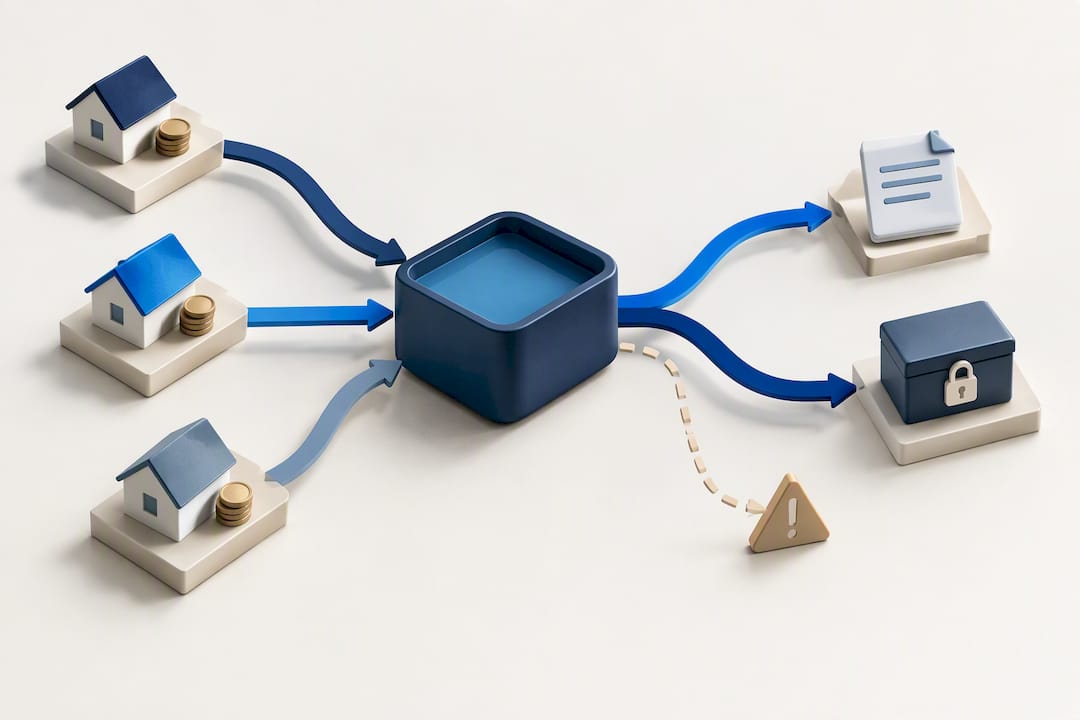
Commingled funds are the biggest practical obstacle to any claim, because once proceeds mix with other estate money, identifying “the” sale proceeds becomes far harder. Where the stakes justify it, urgent court relief, such as a declaration or a caveat on distribution, may be worth pursuing, and courts generally prefer clear documentary evidence over recollections of what the will maker intended. Our guide to selling estate property during probate covers record keeping in more depth, and our documentation checklist is a useful starting point for beneficiaries assembling evidence.
How NSW courts have actually ruled on ademption
The leading authority, RL v NSW Trustee and Guardian [2012] NSWCA 39, confirms that proceeds of sale ordinarily fall into the residue because the asset has changed in substance, and only where the asset remains substantially unchanged might the intended beneficiary take instead. Later NSW Supreme Court decisions, including Bensley and Hay, have applied this reasoning while grappling with the timing of powers of attorney and whether an instrument was executed before or after relevant legislation commenced.
- Sales executed by an attorney before the Powers of Attorney Act 2003 commenced may fall outside section 22’s protection entirely.
- Courts scrutinise whether the attorney had proper authority and whether the sale genuinely changed the asset’s substance.
- Outcomes turn heavily on fact finding: traceability of funds, the paperwork behind the sale, and whether proceeds were kept separate.
- These authorities push executors toward cautious record keeping and push beneficiaries toward gathering evidence early, since courts rarely infer intention without it.
Readers dealing with notional estate arguments alongside ademption issues may also find our piece on notional estate powers under sections 73 to 90 useful.
A partner’s view: why drafting and early action matter most
The ademption disputes we see most often trace back to a will that was never updated after a house was sold or a portfolio restructured. A substitute gift clause, or wording that ties a bequest to “whatever asset replaces it,” would have avoided the argument entirely. Once a dispute arises, the difference between a quick resolution and prolonged litigation is almost always documentation: separate accounting, dated records, and advice sought in the first weeks rather than after positions have hardened. If you are unsure whether a will you hold or administer is exposed to this problem, our free initial consultation is a practical way to check it before it becomes a dispute.
— George
Funding your legal matter: No Win, No Fee
The firm offers funding options for eligible legal matters that can remove upfront cost barriers, with eligibility checked during a free initial consultation to help clients understand their position before proceeding.

If you suspect a gift has adeemed and want to know where you stand, book a free case assessment with our team.
No Win, No Fee arrangements are subject to case eligibility and a written costs agreement. Liability limited by a scheme approved under Professional Standards Legislation.
FAQ
What is ademption in simple terms?
Ademption is when a specific gift named in a will, such as a house or a car, no longer exists at death because it was sold, destroyed or given away. The gift fails and the intended beneficiary generally receives nothing in its place, with the value instead falling into the residue of the estate.
What are the tax implications of gifting money before death in Australia?
Australia does not impose an inheritance tax, but gifts and estate transfers can still trigger capital gains consequences depending on the asset involved. The ATO’s deceased estates guidance is the correct starting point for questions about how a gift or estate transfer is treated for tax purposes.
What are the inheritance rules in NSW?
Inheritance in NSW is governed primarily by the Succession Act 2006 (NSW), which sets out how valid wills operate and how intestacy is handled when there is no will. Eligible people who feel they have not received adequate provision can bring a family provision claim under the same Act.
How do I prevent my son-in-law from getting my inheritance in Australia?
This usually comes down to how a gift or trust is structured in your will, since assets left directly to a child can become shared property in their relationship depending on how they are held. A wills and estates lawyer can advise on structures such as testamentary trusts that keep inherited assets more clearly separated.
What is the 2 year rule for deceased estate property?
This commonly refers to the main residence capital gains tax exemption, where a deceased estate generally has a window to sell the main residence without triggering capital gains tax. The exact conditions depend on individual circumstances, so the ATO’s deceased estates page should be checked against your specific situation.